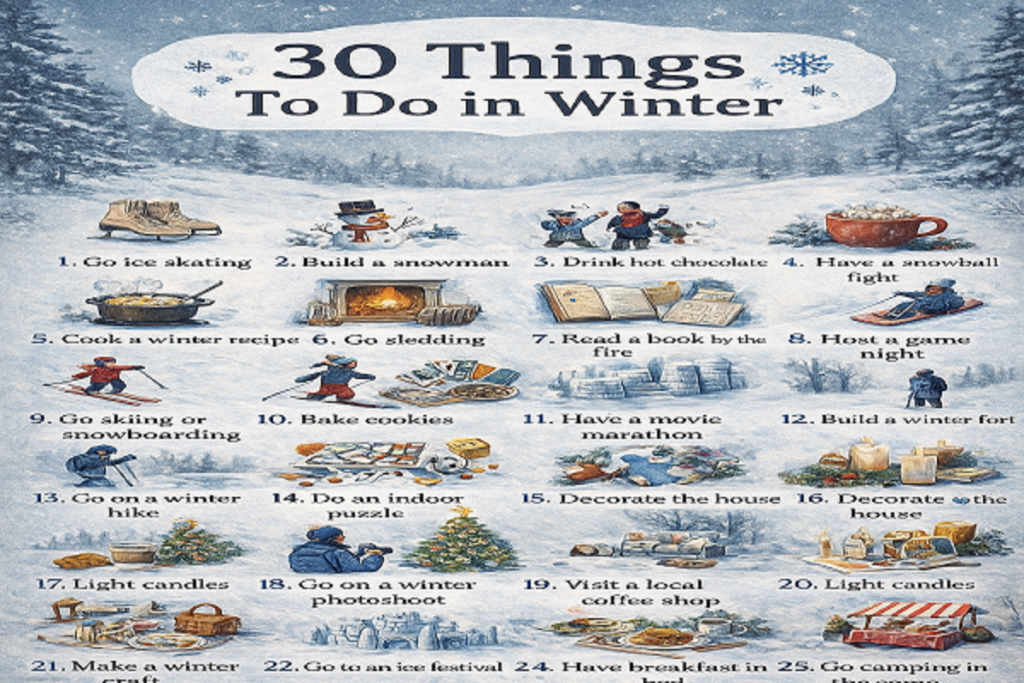
What to do in winter?
The trembling wings of ants in winter
Waiting for the thin winter to end
I love you in a slow, clumsy way.
He barely spoke, only uttering a few words.
What caused us to hide our lives?
A wound, a wound
One word, one origin
Winter Solstice should be taken in stride
The morning light shines on the streets, thick with auspicious smoke; name cards are passed around to celebrate the winter season.
Embroidered curtains are left unrolled in every household, and people gamble and laugh freely.
Read truly good books, or obviously bad books.
When you feel empty inside, you must read some books to avoid thinking about or worrying about writing before you can return to work.
“You should only read truly good books or obviously bad books.” (Miss Stein)
“I’ve been reading really good books all year and last winter, and I’ll be reading really good books next winter, but I don’t like obviously bad books.”
If it’s snowing outside, add a glass of hot wild cherry beer.
Have a glass of wild, spicy, light bitter beer
Golden and cute, perfect for serving appetizers.
Have a glass of ripe fruit-flavored wheat beer
Enjoy the seafood slowly and savor it.
Next, a glass of grape-scented dark beer.
Serve your charcoal grill
Or a spicy reddish-brown stew.
If it’s snowing outside, add a glass of hot wild cherry beer.
Beer originated in medieval European monasteries
The monks were skilled at blending various herbs to make wine.
Beer was born by chance.
I discovered you by chance.
Enjoying time with friends, a brief escape from the world of hard work, and earning a living.
The room is warm and comfortable, perfect for reminiscing, reading, doing crossword puzzles, getting close to each other, and joking around.
After dinner, we were refreshed. We sipped our wine and sat happily in a circle, none of us realizing that our drunkenness would remind others to look at our noses. We tried to enjoy this moment of pleasure as much as possible, because once this easy time was over, we would soon have to return to the world of hard work and earning money, and become cautious in our words and deeds again.
Traveling the world by the hearth
When it comes to traveling the world, wise men often have ingenious ideas. A Frenchman once wrote a book called *A Bedroom Tour of the World*. Although I haven’t read the book, I’m quite interested in the title. According to this fellow, traveling the world is truly a piece of cake.
For example, the statue beside the fireplace would transport me to faraway Russia. My gaze would fall on a piece of porcelain, and a strong Chinese atmosphere would immediately wash over me. I would sit in a sedan chair, passing through winding paths through rice paddies and over wooded mountains. In London, England, on a winter afternoon, dark clouds loomed, the sky was gloomy, and I felt restless and depressed. On the beach of Coral Island, coconut palms stood tall, and the sunlight was dazzling. This is what is called “traveling the world by the fireplace”—the advantage is that it saves time and money, and you won’t be too disappointed.
Embark on a journey to an even colder winter.
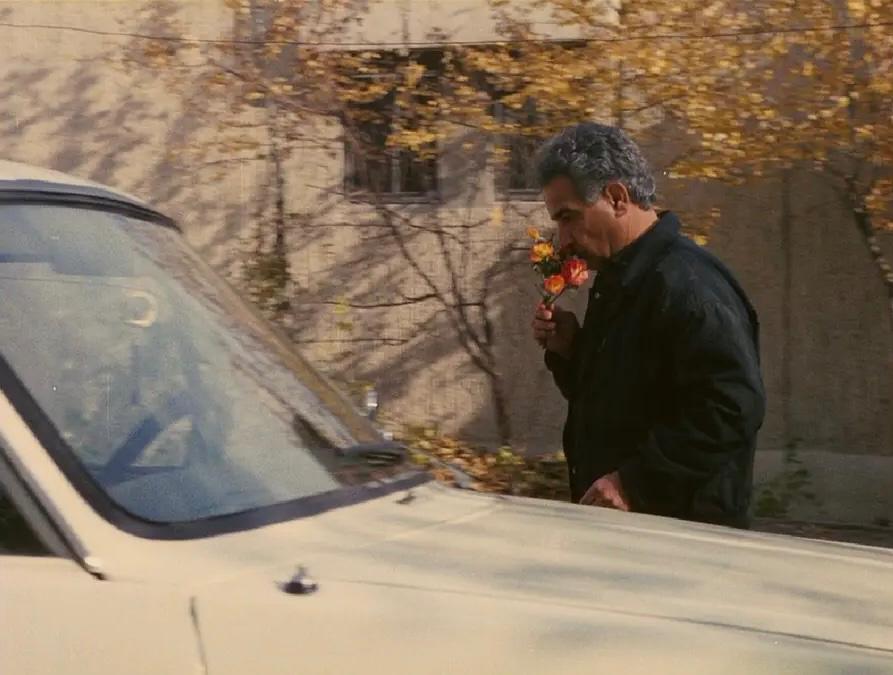
On the floor of the room lay my suitcase, three-quarters packed, crammed with books, stationery, shoes, clothes, and letters. Every year at this time, I would embark on a journey to escape the winter; I left the South not because the warm sunshine was gone, but to flee to the architecture of the North, with its warm fireplaces and bathrooms, even with its fog, snow, and other unpleasant things, but also with friends, the music of Mozart and Schubert, and other things I loved.
With a bright red carnation by my side, I will go wherever I go, whether to another world, to the city, to winter, or to civilization.
Spend your winter holiday at a ski resort or go mountain climbing.
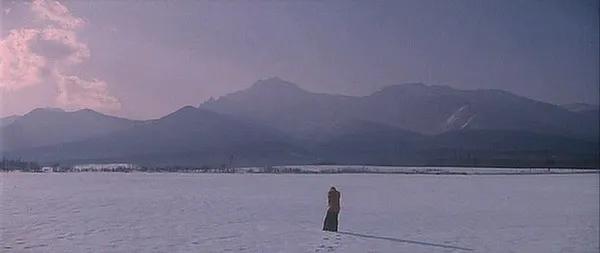
Winter in Tuscany? Yes, why not? Millions of Italians do it. Modern travelers spend their winter holidays either in the sun or on the ski slopes.
Elsewhere, like the Caribbean coast or the Alps, crowds flock to these winter retreats—but we’ll have this ancient place all to ourselves, braving the cold alongside the locals. Anticipating bad weather, we packed silk thermal underwear, down jackets with rabbit fur linings, large scarves, and Reebok sneakers.
Montalcino is cold, we know; the air is as clear and transparent as icicles. Autumn has just passed, the new wine is still in the barrels, the last batch of olives is still being pressed, the sheep are grazing, the pigs are fattening up, and the ancient churches and monasteries are adding another winter to their calendars.
Listen to street singing
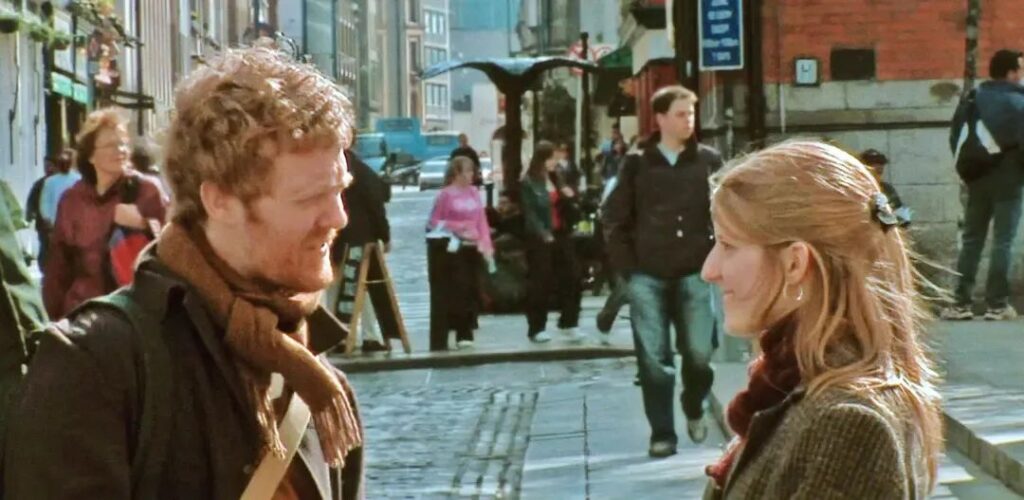
“I like to listen to them sing to the accompaniment of hand-cranked accordions on a cold, damp, and gloomy autumn twilight. It has to be damp when the faces of passersby are pale and sickly. Or it would be even better if it were snowing damply, with no wind, and the snowflakes were falling straight down. You understand? Looking through the snowflakes, the gas-burning streetlights are twinkling…”
The two walked hand in hand in the winter sun.
It was an unusually warm December, and most of the time was spent “sightseeing” outdoors—if the word “sightseeing” even came to mind. The roar of passing cars, the screech of brakes, and the blare of horns made Hester quite nervous, but she seemed to enjoy the novelty and the feeling of movement.
At first, Didi took Hester to some faraway places: to the Bronx Zoo to hear the animals’ calls and smell their scents; to the lakeside in Central Park to escape the traffic jams; and to Battery Park and Staten Island Ferry to experience the strange smells of seawater, tar, and fumes, and the rocking of the boats.
While touring Coney Island, Didi vividly described the dilapidated state of the amusement park rides they had used that summer. At the World’s Fair site, the two wandered into the rat-infested ruins, where Didi again gave a two-hour, detailed account. When Didi wanted to please someone, he could be incredibly eloquent. Then came a quiet day: the two strolled hand-in-hand along the deserted beaches of Montauk in the winter.
A headwind blowing from the sea, carrying the scent of seaweed.
Beside the ever-flowing, receding river, in the granular texture of the granite pavement, something slowly seeps into the soles of your shoes—an almost sensual desire to walk. The headwind, carrying the scent of seaweed, blows from the sea, healing many hearts oversaturated with lies, despair, and helplessness. If this constitutes complicity in enslavement, then perhaps slavery is forgivable.
In this city, enduring loneliness seems much easier than anywhere else, because the city itself is lonely.
Go to the mountains for hot springs
In general, from spring to early summer and from autumn to early winter, the mountain hot springs are not only scenic but also refreshingly pleasant to the touch. Ironically, during these times, the hotels in that area (the Izu Peninsula) are quite deserted. Summer, however, is not the season for admiring plants.
Of all the places I’ve been, only Yatsu and Gamagori in Mikawa truly made me feel warm in winter. On the second day of the Lunar New Year, I only needed two blankets, yet I was still too hot to sleep. From my room at Atagawa Onsen, I could see the azure sea and take in the beautiful mountain scenery. However, transportation was inconvenient; the only way to get there was by horseback, led by mountain girls from near Ito Onsen.
Prepare a set of thin pajamas to wear at night.
“That dark-skinned woman,” Jenny said, “has high cheekbones and a shimmering dress with a pattern like seashells, which she intends to wear at night. It would be fine in the summer, but in winter I would prefer a thinner dress, inlaid with red silk threads, which would gleam in the firelight. Then, when all the lamps are lit, I will put on my red dress, which will be as thin as gauze and cling to my body; it will flutter as I twirl into the room on my tiptoes. And when I sit in the center of the room in a gilded armchair, my red dress will unfurl into the shape of a flower.”
Keep warm with the cat
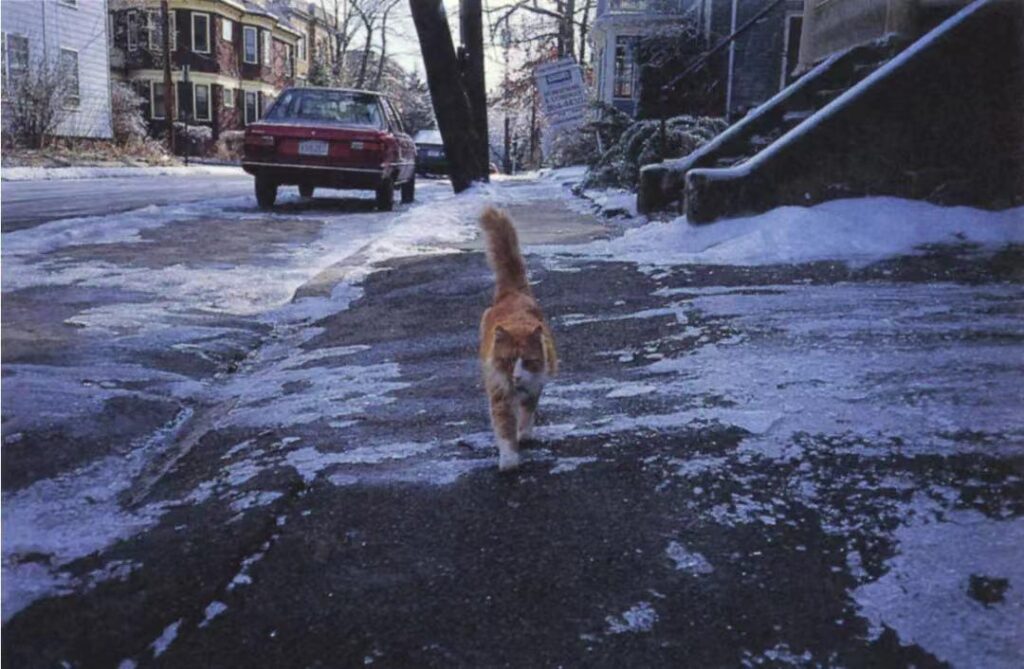
That was a long time ago. I was in my early twenties, had just gotten married, and was penniless (actually, I was heavily in debt). I couldn’t even afford a heater. That winter, we lived in a drafty, bone-chilling house in the suburbs of Tokyo.
In the mornings, the kitchen would be covered in ice. We had two cats, and when we slept, the cats and I would huddle together for warmth. For some reason, our house became the activity center for the neighborhood cats. Countless cats would visit in groups, and sometimes we would hold them in our arms, the two of us and four or five cats cuddling together as we slept. It was a tough time for survival, but I still often think back to the unique warmth that we and the cats painstakingly created.
Let’s have some tea
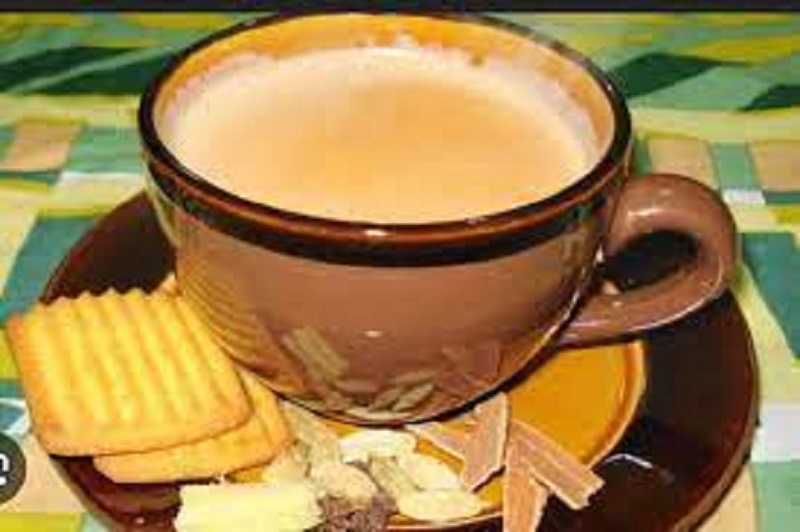
Go to the teahouse near the courthouse for tea, stroll in the exhibition park and eat at cheap restaurants, watch Mexican movies that make you laugh and cry, and enjoy the dull relationships formed by playful banter.
In that winter, with its constant drizzle and persistent fog, a seemingly stable relationship suddenly emerged.
Read my other blog
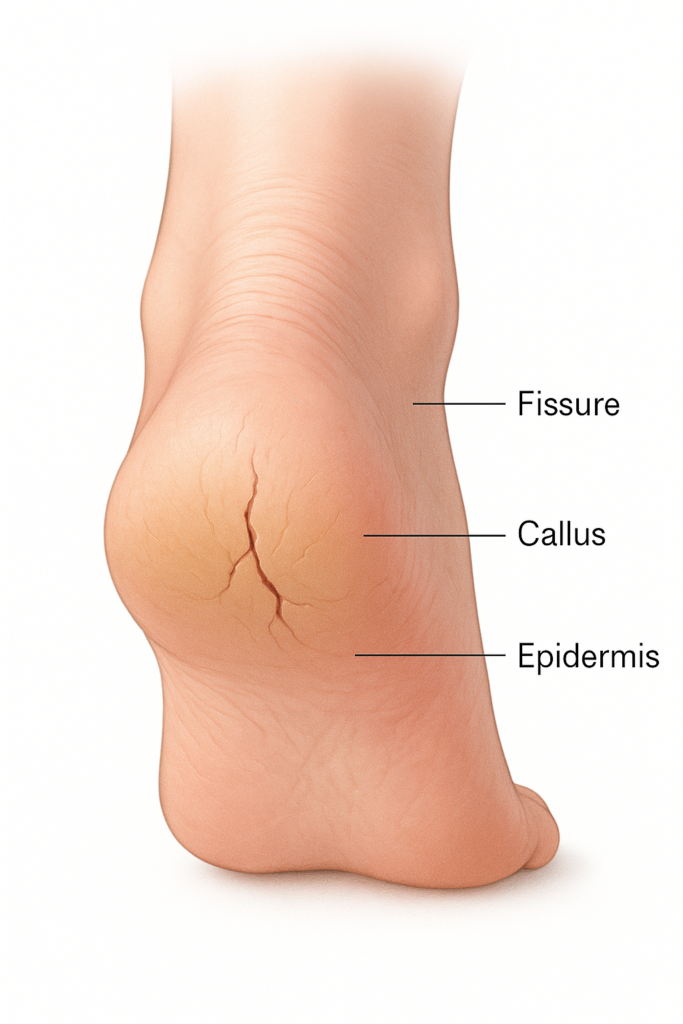
How to heal cracked heels?
Find a flower in the garden and make a bouquet.
I went to the garden to find some small white flowers to put in my Easter buttonholes. There was a corner by the foundation and the sloping cellar door, a perfect spot, the earth warmed by the stove’s heat and bathed in the winter sun.
The white violets growing there were brought back from the cemetery; they had originally grown wild on my ancestors’ graves. I picked three tiny lion ”’ s-face flowers to put in the buttonholes, and a whole dozen for my dear wife, arranging them around their grayish-white leaves to make a bouquet, which I tied together with a small strip of aluminum foil I found in the kitchen.
“Oh, how lovely,” Mary said. “I’m going to wear them when I get the pins.”
“This is the first flower to bloom… the first, my creamy chick. I am your slave. Christ has ascended to heaven. All is well in the world.”
“Please don’t talk nonsense about sacred objects, my dear.”
Swap the wool short-sleeved top for a short cotton overcoat made of wool.
Summer passed, and autumn arrived. The withered leaves, having lived their short lives, drifted down from the trees, landing on the damp, cold ground. Rain began to fall. Autumn mud, unlike summer mud, wouldn’t dry completely; even if it did, it wouldn’t be in a few hours, but rather several days or weeks. …
The wind picked up, reminding one of winter. In such bad weather, the forest turned dark, frowned, and no longer beckoned people to seek shade under its branches. Von Zainitz swapped his wool overcoat for a short woolen coat. His leather boots lost their luster and were covered in mud. …The damp, cold wind brought a flush to his pale face.
Waiting for a cup of steaming hot coffee

I hung up the receiver, waited for the coins to clatter out of the phone, then went back to the bar, pushed open the glass door, and walked towards the pile of freshly washed but still steaming coffee cups.
The espresso machine in the station bar whistled and spewed steam, flaunting its kinship with train locomotives—its resemblance to both the steam locomotives of the past and the electric locomotives of today. I’ve been wandering around the station for a long time, caught in the trap of the time-lack that inevitably occurs at train stations.
Watching the silent snow from the bus
The silence of snow is what you think about while sitting on the bus.
You are a poet, and in a poem about youth, you wrote that once in a lifetime, snow will fall on our dreams.
The snow falls, just as it falls in a dream, in waves, silently, and you let yourself be swallowed up by the purity you’ve always longed for.
Write a love letter to the person you love.
Hello,!
I’m busy with my midterms and waiting for you to come back. Are you doing well out there? I’ve dreamt about you a few times.
It’s so cold in the area! It must be warmer in the south, right? I’m a little envious of the migratory birds’ lives: when winter comes, they fly south with you, to the islands in the South Pacific.
If I were a composer, my current state of mind would allow me to compose a “funeral march” with boundless inspiration. I’m always wearing a mournful face.
I’ll be so happy if you come back. I’m going to set off a huge firecracker that will shake the whole of Beijing right away.
Meditation under the early winter sunlight
After leaving my old home for a month or two, upon returning, the first thing I noticed when I sat down at my desk by the south window was the sunlight bathing half of it. Summer had passed, autumn was ending, and early winter was just arriving; the sun outside the window had already begun to set in the south.
I leaned my chair against the window frame, turned my back to the window, and read, the sunlight enveloping my upper body. Far from being unpleasant, as it had been a month or two ago, it made me feel warm and comfortable. It seemed as if the sun, the mother of all life, was channeling a life-giving, healing, and revitalizing force into my body through its rays.
I closed the book and pondered: I was astonished by my own feelings—why had they suddenly changed so drastically? What I hated yesterday had become what I delighted in today; what I rejected yesterday had become what I sought today; what I hated yesterday had become what I cherished today. Opening my eyes,
I saw the fan discarded on the high shelf and was startled again. What I delighted in yesterday had become what I hated today; what I sought yesterday had become what I rejected today; what I cherished yesterday had become what I hated today. Suddenly, I laughed at myself: “Summer is dreadful, winter is lovely.”
Writing a letter in the snow
I can only write letters in the snow.
Write down everything you want to know.
Come on, or it’ll be too late.
Informatization
The newly matured flower will steal it
Give it to the scary bumblebee
Then, the honey was gone.
Only that little lamp remained.
Go moon-gazing, no matter if it’s winter.
It was winter again. I remember it was the evening of the 16th day of the 11th lunar month. I was in a small boat on West Lake with Mr. S and Mr. P. Mr. S had just arrived in Hangzhou to teach and had written to me beforehand saying, “We’re going to visit West Lake, no matter if it’s winter.” The moonlight that night was so beautiful; it still feels like it’s shining on me when I think about it now.
A slight breeze stirred, and moonlight shone on the soft ripples of the water; a line of reflection shimmered like newly polished silver. The mountains on the lake were reduced to pale shadows. Occasionally, one or two lights twinkled below.
Mr. S spontaneously composed two lines of poetry: “Counting the lights, I recognize the fishing village; a light touch of ink sketches the distant, dark silhouette.” We spoke little, only the steady patter of our oars.
Sculpting snow arhats with the children
The children, their little hands red and tinged with cold, like purple ginger shoots, gathered in groups of seven or eight to sculpt a snow Arhat. When they failed, even the fathers of the children came to help.
The Arhat they sculpted was much taller than the children themselves, though it was merely a pile, wider at the bottom than the top, and it was ultimately indistinguishable whether it was a gourd or an Arhat; yet it was very white and bright, held together by its own moisture, shimmering and shining.
The children used longan seeds for their eyes, and stole rouge from someone’s mother’s cosmetic box to paint their lips. This time, it was indeed a large Arhat. And so, with its piercing gaze and bright red lips, it sat in the snow.
On a cloudy, snowy day, we eat frozen tofu and drink salted vegetable soup.

Winter vegetables include bok choy and frozen tofu. Bok choy stalks droop flat, lying on the ground; in Jiangnan, it’s called “flat-bitter vegetable,” and it has a slightly bitter taste. My grandmother cultivated a small plot in the backyard to grow bok choy.
After frost, the edges of the leaves turn purplish-red, and the taste is bittersweet. Bok choy cooked with “crab oil” is incomparably delicious. “Crab oil” is made by cooking large crabs, removing the meat, and rendering it with lard. It’s placed in a large bowl and solidifies into crab jelly, which can be stored for a long time without spoiling and can be eaten all winter. Frozen tofu, for some reason, has a honeycomb-like structure. After thawing,
it can be cut into small pieces and cooked with fresh meat, salted meat, beef, dried shrimp, or pickled vegetables—it’s always delicious. Frozen tofu is best served with chili peppers and green garlic. In the past, we didn’t have the large Chinese cabbage from the north; we only had “green vegetables.
” The large Chinese cabbage was transported from Shandong and was called “yellow sprout vegetable,” and it was very expensive. “Green vegetables” resemble rapeseed but are larger, reaching two feet in height, and are available year-round; every household eats them. Pickled vegetables are made by pickling green vegetables. On a cloudy, snowy day, we drink pickled vegetable soup.
Let it snow a little. I can’t stand heavy snow.
The most wonderful thing is a light snowfall. Look, the short pines on the mountain are even darker green, their tips adorned with tufts of white blossoms, like Japanese nurses.
The mountain peaks are all white, framing the blue sky with a silver edge. On the slopes, the snow is thicker in some places, while the grass still shows through in others, creating alternating patches of white and dark yellow, dressing the mountains in a patterned coat with water ripples; as you watch, this patterned coat seems to be stirred by the wind, making you hope to see a glimpse of the mountain’s more beautiful skin.
As sunset approaches, the pale yellow sunlight shines obliquely on the mountainside, and the thin layer of snow seems to suddenly blush, revealing a faint pink hue. Even a light snowfall is better; Jinan can’t withstand heavy snow, those little mountains are too delicate!
Stroll around, don’t worry about anything.
The word “strolling” is most fitting for wandering in the vast wilderness.
Wandering around the city is anything but leisurely; you have to watch out for traffic lights, squeeze onto buses, and be wary of pickpockets.
The wilderness is windy. Even at the warmest midday in January, the temperature feels like a freezer. Walking freely in the open, with no shelter, I encountered Hurmasi on horseback. He asked if I’d seen any baby camels, and I said no. Just then, two baby camels popped their heads out from the top of a dune behind me—I’d just passed by there a minute earlier.
Hurmasi, exasperated, quickly spurred his horse and chased after them. Yes, leisurely strolling means not having to worry about anything.
Make a bowl of rock sugar taro paste
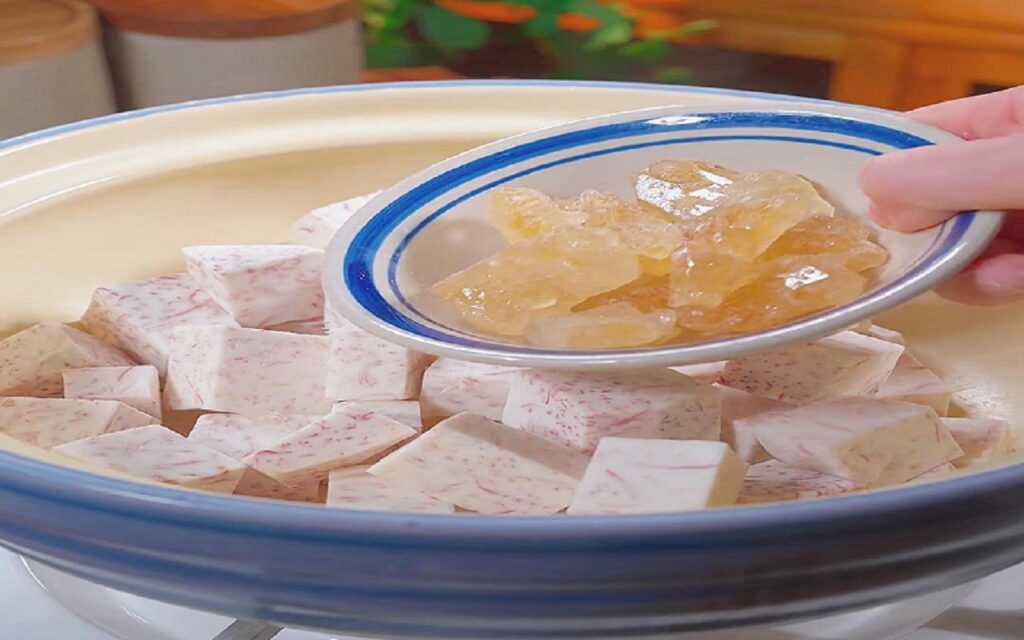
Every winter, when the weather turns cold, I often think back to my childhood, sitting in the west wing of my old home, the whole family gathered around the stove, eating taro paste with rock sugar made by my mother. More than twenty years later, every time I recall it, a sweet fragrance still wells up in my mouth.
Sometimes, when I have nothing to do and am reading late into the night, I’ll try to make a bowl of taro paste with rock sugar, just like my mother does. The warmth is still there, but the taste isn’t quite the same as before. I think, for me, taro paste with rock sugar is not just a food, but a feeling, a warmth on a winter night.
When I have nothing to do, I play cards.

In our area, very few families used coal or iron stoves. For heating, they generally used copper stoves filled with coarse chaff. The chaff burned slowly and could last a long time. The old ladies couldn’t live without it. When they had nothing to do, they would play cards, and each old lady had a foot warmer at her feet. The foot warmer kept them warm. If their feet weren’t cold, their whole body wouldn’t be cold either.
The smell of the burnt chaff was also very pleasant. To imitate a Japanese haiku, one could write a poem: “Winter, the fragrance of burnt chaff from the foot warmer.”
Celebrating the New Year by visiting temple fairs and waiting for spring to arrive in the near future.
The New Year is the climax of winter life. Every household puts up Spring Festival couplets, sets off firecrackers, boils dumplings, and welcomes the God of Wealth.
Actually, it’s a season of revelry for children, wearing new clothes, kowtowing, and strolling around the market, waving glass trumpets and shouting like wild geese with runny noses. Large candied hawthorns, five or six feet long, are covered in a layer of dust and sand.
The dust in Beijing has a powerful origin; it comes from the Gobi Desert in Mongolia, arriving with a truly swirling dust storm that darkens the entire world. Sand and dust are everywhere—in collars, nostrils, and between teeth—this is the true hallmark of winter in Beijing.
The simple-minded men and women are busy visiting the Temple of the God of Wealth, going to the White Cloud Temple to meet the immortals, and even rushing to Miaofeng Mountain to be the first to offer incense. Still, in reality, they are nothing more than rolling around in the mud and dust.
Winter is truly dreadful. As the poet said, “If winter comes, can spring be far behind?” Let us hope so.
Once everything is over, go out for a walk.
I’ve been feeling listless and often sick lately. I might go out for a walk after winter is over.