Winter safety for the elderly

If I were a season,
Winter it would be,
not by choice but
by the many years behind me
and the few before me.
When temperatures drop, older adults are at greater risk of weather-related health problems and injuries, such as hypothermia. Cold weather causes body temperature to drop, and the body adjusts its temperature to adapt to the new climate.
With a few simple precautions during the winter, you can easily have a healthy and energetic winter. While you should enjoy winter, remember to take steps to stay healthy. Older adults, in particular, have weaker immune systems and are more susceptible to illness.
However, this shouldn’t stop older adults from enjoying the winter sunshine and everything the season has to offer. Here are some tips for older adults to help them stay healthy and safe while enjoying the season.
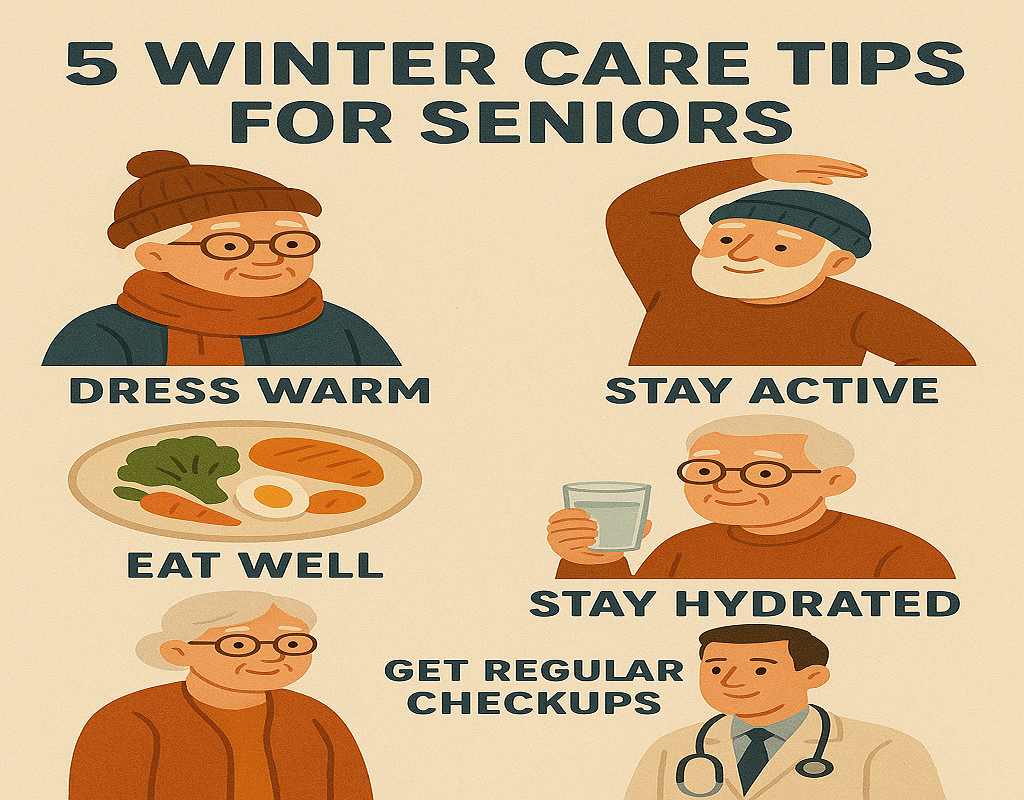
Five practical winter self-care tips for seniors:
1. Keep warm
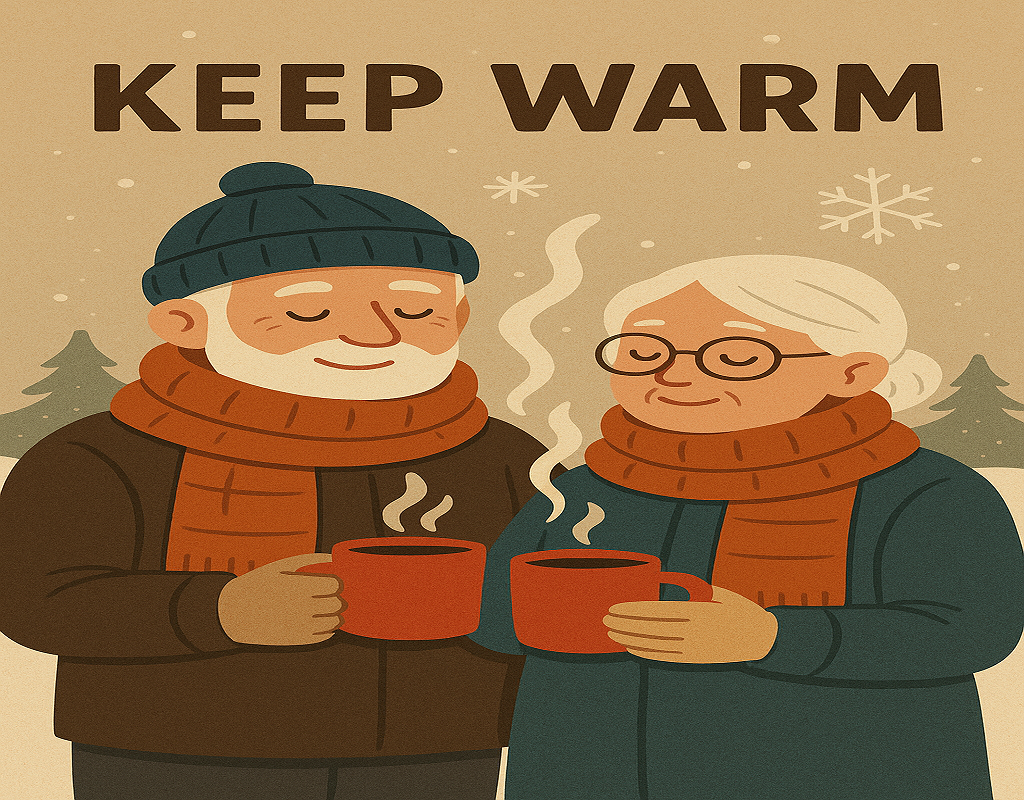
When temperatures drop, older adults are at greater risk of weather-related health problems and injuries, such as hypothermia. Wear warm clothing – cover yourself when you feel cold.
Don’t wait until you start shivering. Gloves, socks, scarves, wool hats, and/or anything that keeps you warm and comfortable are recommended. While enjoying winter is important, remember to take steps to stay healthy. This is especially true for older adults, whose weakened immune systems make them more susceptible to illness.
2. Stay active

While winter may seem like the perfect time of year to spend more time in bed, curled up, and indoors all day, staying active and connected is a good idea. Any form of exercise can help raise your heart rate, regulate blood flow, and combat winter blues, drowsiness, stiffness, and aches.
Physical activity also gets you sweating, eliminating toxins, and keeping your skin healthy. When you can’t go out, you can invest in convenient fitness equipment for your home. Furthermore, daily yoga or any physical activity can help warm up and boost your immune system, improving your defenses against seasonal illnesses like the flu and colds.
Please note: People with heart conditions need exercise guidance from a doctor.
Read my other blog related to this topic
30 things to do in winter
3. Maintain moisture in winter
Of course, you won’t feel as thirsty in winter, even throughout the year. However, dehydration can occur due to the lack of moisture in the air. Water helps cleanse our systems, deliver nutrients to our cells, and maintain the body’s fluid balance.
Therefore, make sure to drink plenty of water. If you don’t want to drink cold water, you can drink room-temperature water or brew yourself some warm tea that you can drink all day. Keep your room warm and humid.
4. Take good care of your skin.

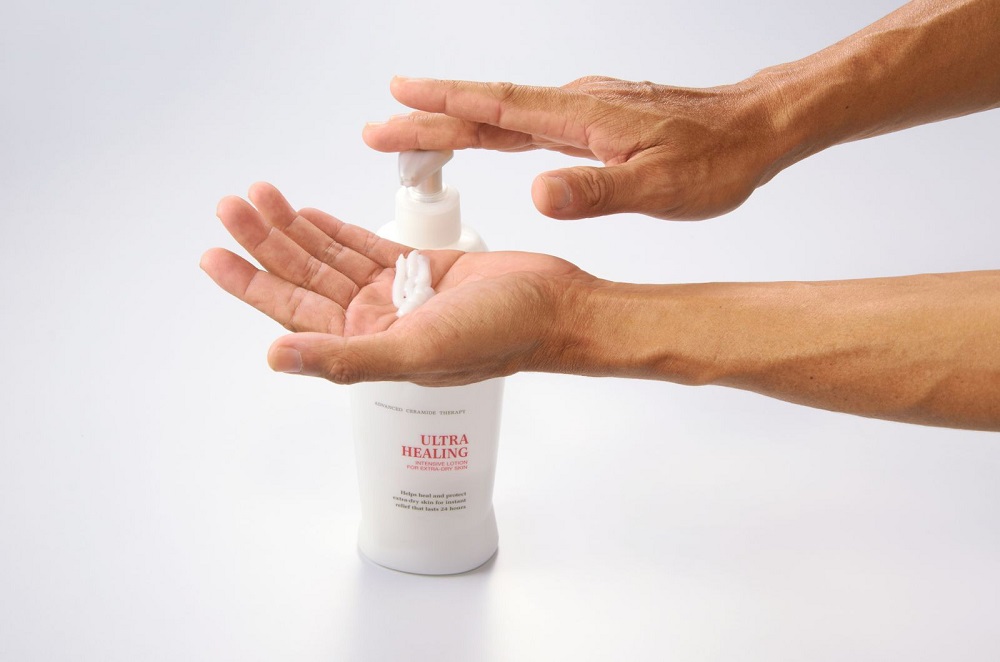
Older adults often neglect skincare. However, they need skincare more than usual in winter because skin tends to become dry and itchy. Damaged skin is one of the dangers of winter. Cold weather causes dryness, leading to itchy skin, chapped lips, and cracked heels.
Winter skincare must include moisturizing, sun protection, and increased water intake. Remember to apply sunscreen before going out. Everyone, including older adults, should enjoy winter outdoors. But they need to be more mindful before venturing out.
5. Balanced diet:

A balanced diet rich in whole grains, lean meats, fish, poultry, legumes, nuts and seeds, herbs and spices, and fresh fruits and vegetables is essential for boosting the immune system.
You can also optimize your intake of foods rich in Vitamin C, which helps strengthen your system and maintain good health. Older adults need to ensure they don’t miss out on essential nutrients their bodies need to protect against infections.
Therefore, a balanced diet is ideal. Additionally, eat plenty of fruits and vegetables, whole grain products, and dried fruits.
Use warm water for showers: “In the cold outdoors, nothing feels better than a hot shower. However, while hot showers feel great, they can also cause skin problems. On the other hand, warm water showers and daily moisturizing can help prevent dry skin .”
Quit smoking: Smoking makes people more susceptible to respiratory infections in winter, so you should give it up.
Vitamin D: Get outdoors and enjoy the warm sunshine. Our bodies need vitamin D.
conclusion:
Staying hydrated, eating properly, and exercising can lay a good foundation for maintaining good health during winter. Winter has long been associated with illness. Bacterial infections are common during seasonal changes, so please take necessary precautions to protect your health. The cold weather may make you relax and enjoy the day, but don’t neglect your health.